
Building in Vietnam's
Monsoon Season —
Waterproofing & Flood-Proof
Construction Guide
Practical solutions from a Korean construction expert — written specifically for Vietnam's climate challenges
Annual Rainfall
(May–November)
(September)
If you've worked on construction sites in Vietnam, you already know — rain doesn't wait for your schedule. A sudden monsoon downpour can flood a basement excavation overnight, saturate fresh concrete, and undo weeks of work in hours.
In this guide, I'll share practical waterproofing and drainage solutions based on my 10+ years of Korean construction field experience, adapted specifically for Vietnam's intense tropical monsoon climate. Whether you're building in Ho Chi Minh City, Hanoi, or Da Nang — this guide will help you build smarter.
① Vietnam's Rainfall — The Numbers Every Builder Must Know
- Vietnam receives 3–6x more rainfall than Korea's driest regions — standard Korean specifications must be upgraded for Vietnam's climate.
- In 2025, Central Vietnam experienced record flooding with maximum rainfall reaching 1,739mm in a single event, causing at least 174 deaths and $819 million in damage.
- Vietnam's average annual rainfall ranges from 1,500 to 2,000mm with air humidity above 80% — creating extremely aggressive conditions for building materials.
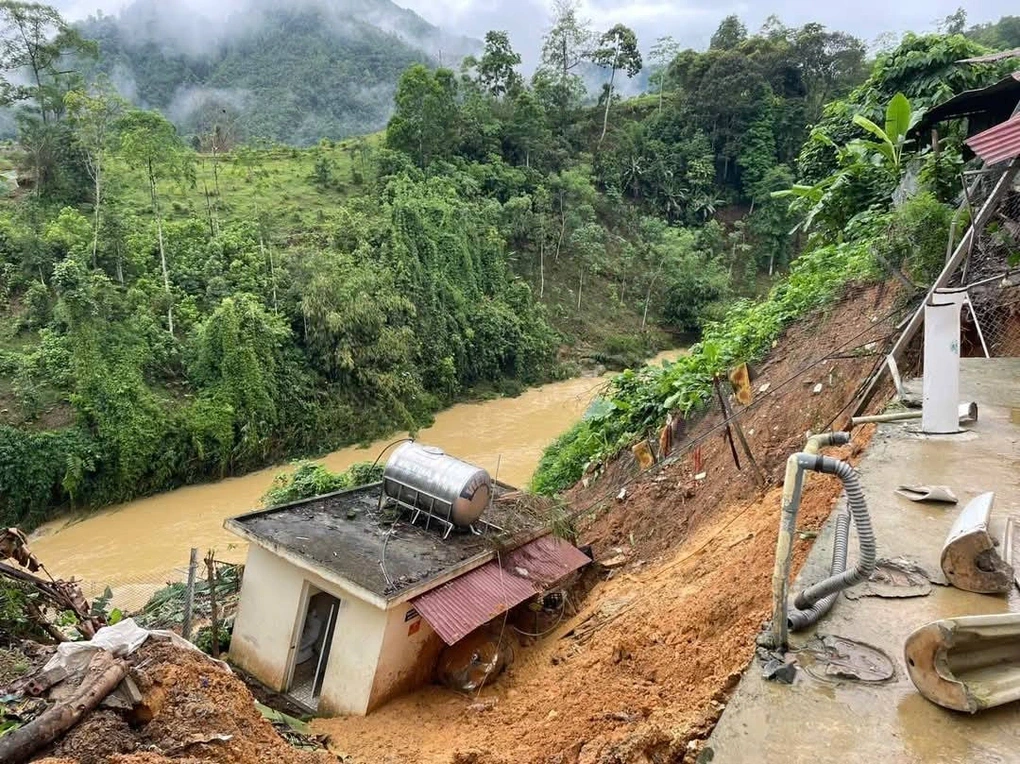
② Top Construction Problems During Vietnam's Rainy Season
③ Waterproofing Solutions — Adapted for Vietnam's Climate
🏗️ Foundation & Basement Waterproofing
For Vietnam's high groundwater conditions, external waterproofing + permanent dewatering is the recommended combination. Apply crystalline waterproofing or modified bitumen membrane to all below-grade surfaces.
Vietnam-specific tip: Install sump pumps with battery backup — power outages during typhoons are common. A pump that stops during a storm is useless.
🌧️ Rooftop & Terrace Drainage Design
Vietnamese flat roofs must drain faster than rainfall arrives. With 321mm in September spread over 20 rain days, peak intensity can exceed 50mm/hour during typhoon conditions.
Critical: Always install emergency overflow scuppers at roof edges. If primary drains block during a storm, overflow scuppers prevent catastrophic roof overload — a building roof can collapse under 300mm of standing water.
🧱 External Wall Waterproofing
Vietnam's driving rain combined with high humidity penetrates standard brick and block walls. A complete external wall waterproofing system is essential — not optional.
Recommended system (outside to inside): Elastomeric paint or polymer-modified render → drainage cavity or rainscreen → internal block wall → internal finish.
🚿 Site Surface Drainage System
Construction sites need their own temporary drainage system during the rainy season. Without proper site drainage, a single heavy downpour can set your schedule back by a week.
Site drainage essentials: Perimeter berm to direct runoff away from excavations, temporary pumps at low points, silt fences to prevent erosion, and drainage channels around work areas.
🔩 Joint & Penetration Sealing
In Vietnam's climate, every joint and penetration is a potential leak point. Pipe penetrations through walls and slabs, construction joints, and expansion joints need premium sealant systems — not the cheapest option available.
Use hydrophilic waterstop at all construction joints below grade. For expansion joints, use polyurethane sealant with backer rod — silicone degrades faster in tropical UV conditions.
④ Smart Seasonal Construction Planning for Vietnam
| Month | South Vietnam | North Vietnam | Recommended Work |
|---|---|---|---|
| Nov–Apr | Dry Season | Cool/Dry | Foundation, concrete, external waterproofing ✅ |
| May–Jun | Rainy starts | Rainy starts | Internal work only, prepare site drainage ⚠️ |
| Jul–Aug | Heavy rain | Typhoon risk | Internal finishes, MEP work ⚠️ |
| Sep–Oct | Peak rain | Easing | Roofing only with weather monitoring 🚫 |
| Nov–Dec | Easing | Dry season | External works resume, final waterproofing ✅ |
⑤ Typhoon & Flood Emergency Response Plan
Monitor Vietnam's National Centre for Hydro-Meteorological Forecasting (nchmf.gov.vn). If typhoon warning issued: activate all pumps, cover all exposed concrete, secure loose materials, and check generator fuel levels.
Evacuate all non-essential workers. Install flood barriers at site entrance. Disconnect temporary electrical connections at ground level. Anchor all scaffolding and temporary structures. Document current site condition with photos.
Do not send workers into the site during active typhoon conditions. Monitor pump operation remotely if possible. Keep emergency contacts ready: local civil defense, pump rental companies, concrete repair specialists.
Conduct safety assessment before re-entering site. Check all structural elements for damage. Document all damage with photos for insurance. Begin dewatering immediately to prevent concrete damage from prolonged water exposure.
⑥ Vietnam Monsoon Construction Checklist
📋 Pre-Rainy Season Preparation (Complete Before May)
- In Korea, we design roof drainage for 100mm/hour peak intensity. For Vietnam's typhoon conditions, design for 150mm/hour minimum — especially in Central Vietnam.
- Vietnamese brick walls absorb significantly more water than Korean concrete block walls. Apply waterproofing render before any decorative finish — never skip this step to save cost.
- Keep a minimum 30-day stock of waterproofing materials on site before rainy season. Supply chains can be disrupted during typhoons, and you can't wait for materials when water is coming in.
- Concrete pouring during rain is never acceptable. Have a clear rain-stop protocol: if rain starts, cover immediately and stop — no exceptions for schedule pressure.
This guide is written by a Korean construction professional with 10+ years of field experience in the Gyeongnam region of South Korea. While Korean and Vietnamese construction environments differ, the fundamental principles of waterproofing and drainage apply universally — and Vietnam's more extreme rainfall makes proper execution even more critical. This blog shares practical, field-tested construction knowledge for engineers across Asia.
📌 More guides: adam7505.tistory.com | LinkedIn: Taewan Kim
Vietnam's monsoon season doesn't care about your construction schedule. But with the right preparation, the right systems, and the right mindset — you can build through it, not against it.
Water always finds the weakest point. Your job is to make sure there isn't one. 🌧️